
Pancreas, Diabetes, and Fluoride Exposure
Diabetes mellitus is one of the most common chronic diseases in the United States. According to the American Diabetes Association, approximately 38.4 million Americans were living with diabetes in 2021.
The pancreas plays a central role in diabetes because it produces insulin, a hormone that helps regulate blood sugar levels. In diabetes, either the body does not produce enough insulin or it cannot use insulin effectively. When blood sugar is not properly controlled, it can lead to serious health complications over time.
What Does Fluoride Have to Do With Blood Sugar?
The National Research Council (NRC) reviewed the health effects of fluoride in its 2006 report and noted concerns related to blood sugar regulation. The report concluded that:
“Sufficient fluoride exposure appears to bring about increases in blood glucose or impaired glucose tolerance in some individuals and to increase the severity of some types of diabetes.”
The report also found that impaired glucose metabolism has been observed in both animals and humans at blood fluoride levels of about 0.1 mg/L (0.1 ppm) or higher.
For comparison:
The U.S. Public Health Service recommends 0.7 ppm fluoride in drinking water.
Why People With Diabetes May Be More Vulnerable To Fluoride
 People with diabetes often drink more water than average because excess glucose is flushed out through the kidneys. This increased thirst and urination can lead to higher fluoride intake when drinking fluoridated water.
In addition, diabetes can cause kidney damage (diabetic nephropathy), which may reduce the body’s ability to eliminate fluoride efficiently.
Research has found that individuals with diabetes have a reduced capacity to clear fluoride from the body (Hanhijarvi, 1975). A review by Marier (1977) explained that:
“Subjects with nephropathic diabetes can exhibit a polydipsia–polyuria syndrome that results in increased intake of fluoride, along with greater-than-normal retention of a given fluoride dosage.”
How Fluoride May Affect People With Diabetes
| Factor | What Research Shows |
| Increased Water Intake | Can lead to higher fluoride exposure |
| Kidney damage | May reduce fluoride elimination |
| Blood glucose | Fluoride exposure linked to higher glucose levels |
| Cardiovascular | Fluoride increased vascular contractions in diabetic animals |
| Glucose tolerance | Fluoride can impair glucose tolerance effects |
Potential Health Implications
Because of both increased fluoride intake and reduced elimination, people with diabetes may be at greater risk for fluoride-related toxicity.
Animal studies involving type 1 diabetes have shown that fluoride exposure can increase vascular contractions (Hattori et al., 2000). This finding may be relevant given the already increased risk of cardiovascular disease in individuals with diabetes.
Both animal and human studies have also reported increases in blood glucose levels with fluoride exposure. While the exact biological mechanism is still being studied, fluoride has been shown to impair glucose tolerance.
Why this matters:
Fluoride intakes between 0.07–0.4 mg per kilogram of body weight per day have been associated with impaired glucose tolerance. These intake levels can be reached by people living in fluoridated water communities. Impaired glucose tolerance is a known risk factor for developing type 2 diabetes.
Sources
Fluoride Action Network – Endocrine System
https://fluoridealert.org/articles/endocrine-system/
American Diabetes Association – Diabetes Statistics
https://diabetes.org/about-diabetes/statistics/about-diabetes
National Research Council (2006). Fluoride in Drinking Water: A Scientific Review of EPA’s Standards, p. 260
Fluoride and the Immune System
What the NRC (National Research Council) Report Says About Fluoride and the Immune System
 The NRC does not conclude that fluoride is harmless to the immune system. Instead, it acknowledges significant scientific gaps and warns that certain populations may be more vulnerable. Until these questions are answered, the NRC recommends caution and further investigation.
Fluoride Can Build Up in Bones
According to the National Research Council (NRC), fluoride from drinking water does not simply pass through the body. Over time, it can build up, especially in the bones. This is important because bones do more than support the body. They also contain bone marrow, where many of the body’s immune cells and stem cells are made.
People who live in areas with fluoridated water, or in places where fluoride occurs naturally at higher levels (around 4 mg/L), can slowly accumulate fluoride in their skeleton. With long-term exposure, fluoride levels inside the bones can become much higher than levels found in the blood.
Why This Matters for the Immune System
Inside the bones is bone marrow, which produces immune cells that help the body fight infections and respond to harmful substances. When fluoride collects in bone, these developing immune cells may be exposed to higher levels of fluoride during their formation. This raises concerns about how long-term fluoride exposure could affect immune health.
Evidence of Immune Effects
The NRC states clearly that fluoride can affect cells involved in immune responses. However, it also notes that:
- No population studies have examined whether fluoride at 4 mg/L affects immune function.
- No studies have evaluated whether people with weakened immune systems can safely tolerate fluoride in drinking water.
Because of these research gaps, it is not possible to definitively say that fluoride at these levels has no effect on the immune system.
Higher Risk for Certain Groups
The NRC highlights special concern for people who accumulate more fluoride in their bones, including:
- Individuals with kidney disease
- People with compromised immune systems, such as transplant recipients, cancer patients, or those with immune disorders
- Patients who have undergone bone marrow replacement
When bone is broken down and rebuilt (a normal process called bone turnover), fluoride stored in bone may be released into surrounding tissues, potentially exposing immune and stem cells to even higher concentrations.
Unanswered Questions
The NRC emphasizes that scientists currently cannot predict how high fluoride exposure in bone affects blood cell formation, immune system development and bone and fat tissue formation.
Because bone marrow produces immune cells, the NRC states that careful biochemical studies are essential to understand fluoride levels in bone and surrounding tissues.
NRC concluded that there is more research needed to:
- Measure fluoride concentrations in bone and bone marrow
- Determine how fluoride exposure affects immune function
- Study how immunocompromised individuals respond to fluoride levels between 1 and 4 mg/L in drinking water
Hypersensitivity Reactions
Hypersensitivity reactions are exaggerated immune system responses. There have been cases of hypersensitivity reactions to fluoride (fluoridated water, supplements and topical fluoride):
- Peri-Oral Dermatitis (Skin inflammation around the outside of the mouth)
- Urticaria (Aka hives)
- Stomatitis (Oral sores)
Other allergy-related systemic effects have occurred due to fluoride hypersensitivity. Gastric distress, headache and weakness have also been reported.
FAN (Fluoride action network) summarizes the applicable studies with the citations: see here – link- https://fluoridealert.org/studies/hypersensitivity02/
Sources
https://fluoridealert.org/articles/hypersensitivity-and-acute-toxicity/
https://fluoridealert.org/studies/hypersensitivity02/
A case Against Fluoride- Paul Connett
Fluoride, Heart Health and Cardiovascular Disease
 Cardiovascular disease is a condition that impacts the heart and blood vessels. It is currently the leading cause of death according to the WHO. Fluoride has been shown to accumulate and adversely impact the cardiovascular system, including the heart itself and the blood vessels in several ways:
Potential Cardiovascular Effects Associated With Fluoride Exposure
Health Issue | What It Is | Reported Association with Fluoride | Other Information |
Vascular Calcifications | Abnormal buildup of material such as calcium in blood vessels that can narrow arteries and reduce blood flow | • Fluoride has been detected in calcified coronary arteries and the aorta • Research shows higher arterial calcifications observed in people with skeletal fluorosis • Fluoride levels in the aorta reported as high as 8,400 ppm • Fluoride may promote abnormal calcium buildup in blood vessels. Increased calcium and fluoride levels in the aorta and heart tissue has been associated with long-term fluoride exposure. | Blood vessels such as the coronary arteries and the aorta are essential for our bodies. Coronary arteries deliver oxygen rich blood to the heart to help it function properly. The aorta is the body’s main artery that supplies the body with oxygen rich blood. Calcifications can be dangerous because they can narrow blood vessels which can impair blood flow. This can increase the risk of heart attacks and strokes. |
High Blood Pressure (Hypertension) | When the force of the blood against the blood vessels is consistently too high. Consistently elevated blood pressure that increases strain on the heart and arteries | Numerous studies report an association between increased fluoride exposure and higher rates of hypertension | |
Electrical Abnormalities | Disruptions in the heart’s electrical signaling that controls heart rhythm | Human and animal studies of chronic fluoride exposure show electrocardiogram (ECG) abnormalities | |
Arteriosclerosis | Hardening or stiffening of arteries, reducing their ability to expand and contract | Some research suggests higher fluoride exposure may be associated with increased risk of arteriosclerosis | |
Heart (Myocardial) Damage | Structural or functional injury to the heart muscle responsible for pumping blood | • Animal and human studies report functional, structural, and metabolic damage to the myocardium associated with chronic fluoride exposure • High levels of fluoride is associated with reduced cardiac antioxidant enzyme activity, increased gene expression of inflammatory molecules and high lipid peroxidation. | Research has found that increased myocardial damage has a direct link to mottled dental enamel. The fluoride level in the tested village had fluoride levels of 0.5–6.2 ppm. For reference, the USPHS recommends the optimal fluoride level in drinking water to be 0.7 ppm (0.7 mg/L), and the EPA’s maximum allowable limit is 4 ppm. |
The health issues listed in the chart can have serious implications, including increased risk of conditions such as heart attacks, strokes and cardiac failure. In addition, research has shown that some individuals with cardiac failure have significantly higher fluoride concentrations in their blood, exceeding levels observed in patients with kidney disease.
Children, Dental Fluorosis and Heart Findings
Dental fluorosis is a visible sign of excess fluoride exposure during childhood that presents in the teeth. The presentation depends on the severity of the condition, but presents as yellow/white/brown discolorations and/or pitting of the teeth. Although dental fluorosis has been referred to as a “harmless cosmetic issue” by some fluoride proponents, it has been linked to other medical problems, including cardiac issues:
Finding | Description |
Blood Pressure Changes | Children with dental fluorosis showed lower diastolic blood pressure compared to children without dental fluorosis |
Electrical Changes | Prolonged QT intervals were observed in children with dental fluorosis, indicating potential arrhythmia risk |
Sources:
https://fluoridealert.org/articles/heart/:
https://fluoridealert.org/articles/heart/
https://fluoridealert.org/studies/cardio04/
https://fluoridealert.org/studies/cardio03/
https://fluoridealert.org/studies/cardio02/
Heart
https://fluoridealert.org/studies/cardio05/
https://fluoridealert.org/studies/cardio01/
https://www.epa.gov/sdwa/fluoride-drinking-water
https://www.who.int/news-room/fact-sheets/detail/cardiovascular-diseases-(cvds)
Fluoride, Brain Health and Behavior
 There are over 600 studies demonstrating fluoride’s neurotoxicity and its capability to damage the brain.
Reported Brain and Behavioral Effects
Lowered IQ, impaired neurobehavioral deficits, impaired memory, reduced learning capacity, and impaired visual-spatial organization are some of the adverse brain function findings from the research.
IQ and Thyroid-Related Findings
Research findings demonstrated that even at small amounts of fluoridated water (0.88 ppm) resulted in reduced IQ and increased hypothyroidism.
Fluoride Exposure During Pregnancy
Fluoride demonstrated negative impacts during fetal development.
Reduced IQ in the offspring of pregnant women with high fluoride levels in the urine were reported.
Impaired fetal brain development was also related to fluoride exposure.
Dementia and Neurodegenerative Disease
In 2006, the National Research Council (NRC) suggested that there may be a possible link between fluoride and dementia, and that more studies need to be conducted.
The 2006 NRC panel found that fluorides can increase free radicals in the brain, with possible links for a greater Alzheimer’s disease risk. Other studies have demonstrated a link between Alzheimer’s disease and fluoride.
ADHD – Like Symptoms
- In rat studies, fluoride that accumulated in rat brains before birth showed signs of hyperactivity while after birth exposure led to hypoactive behaviors.
- Higher odds of and more ADHD symptoms were found in adolescents living in fluoridated regions
- Water with high levels of fluoride were associated with more ADHD symptoms and higher odds of getting diagnosed with ADHD.
- For school-aged children, ADHD-like symptoms were associated with a high concentration of maternal fluoride.
- Prenatal fluoride exposure was highly associated with inattention behavior.
Fluoride Ranked in Top Developmental Neurotoxicant
Here is an excerpt from a study done in the Lancet Journal of Neurology:
“Neurodevelopmental disabilities, including autism, attention-deficit hyperactivity disorder, dyslexia, and other cognitive impairments, affect millions of children worldwide, and some diagnoses seem to be increasing in frequency. Industrial chemicals that injure the developing brain are among the known causes for this rise in prevalence. In 2006, we did a systematic review and identified five industrial chemicals as developmental neurotoxicants: lead, methylmercury, polychlorinated biphenyls, arsenic, and toluene. Since 2006, epidemiological studies have documented six additional developmental neurotoxicants-manganese, fluoride, chlorpyrifos, dichlorodiphenyltrichloroethane, tetrachloroethylene, and the polybrominated diphenyl ethers.”
Fluoride Exposure: Formula vs. Breastmilk
 This 2020 study on fluoride exposure from infant formula in relationship to IQ concluded:
- Formula fed infants with usage of fluoridated water can lead to high amounts of fluoride consumption.
- IQ scores were lower when higher levels of fluoride in tap water were present.
- Exposure to higher levels of fluoride in tap water was associated with diminished non-verbal intellectual abilities. This effect was more obvious among formula-fed children.
- Breastfed infants had very low amounts of fluoride intake.
For more information about these studies, visit/Sources:
https://fluoridealert.org/articles/brain/
https://www.mdpi.com/1422-0067/19/12/3965
https://fluoridealert.org/researchers/fluoride-iq-studies/the-mother-offspring-fluoride-studies/
https://fluoridealert.org/researchers/fluoride-iq-studies/fluorides-effect-on-fetal-brain/
https://fluoridealert.org/studies/brain03_/
https://fluoridealert.org/studies/brain02_/
https://fluoridealert.org/content/fluorideiqstudies/
The Fluoride Deception
Mullenix 1995
Neurobehavioural effects of developmental toxicity
Grandjean P, Landrigan PJ. Neurobehavioural effects of developmental toxicity. The Lancet. Neurology. 2014 Mar;13(3):330-338. DOI: 10.1016/s1474-4422(13)70278-3. PMID: 24556010; PMCID: PMC4418502.
https://europepmc.org/article/MED/24556010
https://www.sciencedirect.com/science/article/pii/S0160412019326145?via%3Dihub
https://www.sciencedirect.com/science/article/pii/S0160412022000174?via%3Dihub
Riddell et al. 2019, Association of water fluoride and urinary fluoride concentrations with attention deficit hyperactivity disorder in Canadian youth. Environment International.
Bashash et al., 2018, Prenatal Fluoride Exposure and Cognitive Outcomes in Children at 4 and 6–12 Years of Age in Mexico. Environmental Health Perspectives.
Link: https://www.sciencedirect.com/science/article/pii/S0160412019326145?via%3Dihub
Link: https://europepmc.org/article/MED/24556010
Fluoride and Cancer
Fluoride and Cancer: An Overview
Although the topic remains controversial, fluoride has been linked to cancer in portions of the scientific and medical literature. In its 2006 review, the National Research Council (NRC) concluded that “fluoride appears to have the potential to initiate or promote cancer,” while noting that the overall evidence is mixed and not conclusive.
Beyond bone cancer, research has explored possible associations between fluoride exposure and cancers of the oral cavity, bladder, thyroid, lung, bones and liver. While no definitive conclusions have been reached, findings from laboratory (in-vitro) and animal (in-vivo) studies suggest biological mechanisms that warrant continued investigation.
A Brief History of Fluoride and Cancer
- In the Kingston-Newburgh NY Study in the 1950’s, anatomical distribution of bone defects from fluoride were very similar to osteosarcoma. This observation sparked and interest and began a large debate in the scientific community.
- In 1975, Dr John Yiamouyiannis, a biochemist and Dr. Dean Burk, former Head of Cytochemistry at the U.S. National Cancer Institute, testified to congress that they found higher cancer rates in ten fluoridated cities compared to non-fluoridated ones. Fluoride published their findings in 1977 and this again drew more attention to this controversy.
- The NTP (National Toxicology Program) study on male rats and osteosarcoma found a statistically significant dose-response trend. This means that the higher the fluoride drinking water dose was, the worse the tumor was.
- Following this study, Procter and Gamble, a manufacturer of fluoride toothpaste, released it’s own study that claimed to not have found this relationship between rodents, osteosarcoma and fluoride. The DHHS (Department of Health and Human Services) report in 1991 had an analysis of the study done by the FDA that found the study did not identify two osteosarcoma cases in fluoride treated rats. Even with the questionable ethical dilemma, the FDA still considered the findings to just be “incidental”.
Further details about the history of the fluoride and cancer debate can be found in the book: “A Case Against Fluoride”- By Paul Connett
What the National Research Council (NRC) Said About Fluoride and Cancer (2006)
In its 2006 review, the U.S. National Research Council examined whether fluoride could be linked to cancer. While the evidence was not considered conclusive, the NRC identified several reasons for concern, especially related to bone cancer (osteosarcoma).
Key Points from the NRC Report
- Potential Cancer Risk
- The NRC concluded that fluoride may have the ability to initiate or promote cancer, but noted that the evidence available at the time was mixed and not definitive.
- Among all cancers evaluated, bone cancer (osteosarcoma) was considered the most biologically plausible concern.
- Why Osteosarcoma Is a Concern
The NRC highlighted several reasons fluoride could be linked to osteosarcoma:
- Fluoride accumulates in bone more than in most other tissues.
- Fluoride stimulates bone-forming cells (osteoblasts) to divide.
- Laboratory and animal studies showed borderline increases in osteosarcoma in fluoride-exposed male rats.
- Some human studies published before 1993 reported associations between fluoride exposure and osteosarcoma, while others did not.
- Cell Growth and Cancer Risk
Animal studies found an increase in bone cancer in male rats exposed to fluoride. Fluoride is also known to have a mitogenic effect, or make bone cells divide more quickly, in laboratory studies. If there is a stimulus for cells to divide faster than normal, there is a higher chance that some cells can turn cancerous.
- Theoretical Cancer Mechanism
- Because fluoride stimulates bone cell growth, the NRC stated there is a theoretical risk that this process could lead to malignant changes in bone cells.
- This raised concerns that fluoride exposure might be an independent risk factor for developing new osteosarcomas.
- Other Cancer Sites
The NRC also concluded that additional research was needed to evaluate a possible connection between fluoride exposure and bladder cancer.
NRC’s Overall Position
The NRC did not conclude that fluoride definitively causes cancer. However, it emphasized that biological mechanisms exist, and that osteosarcoma warranted special concern and further study.
Proposed Links between Osteosarcoma and Fluoride
 Osteosarcoma is a rare form of bone cancer in children and young adults that has been linked to fluoride exposure. There are strong biologically plausible relationships between osteosarcoma and fluoride.
- Child Susceptibility: Bone is the main site for fluoride accumulation. Childhood growth spurts have rapid development and can be exposed to high fluoride concentrations due to increased fluoride accumulation susceptibility during these times.
- Genetics: Tissue samples from osteosarcoma patients have been shown to have p53 mutations, (a genetic cancer marker), linked to fluoride bone content. Fluoride has also been shown to cause genetic damage by interfering with DNA repair enzymes.
- Osteoblast Proliferation: Osteosarcoma is caused by abnormal osteoblast (a type of bone cell) proliferation (growth and multiplication). In vitro studies have demonstrated fluoride to cause osteoblast proliferation. Fluoride is a mitogenic agent for osteoblasts, meaning it can trigger cells to start dividing. This may increase the risk for the cells to become malignant.
- Fluoride and Sialic Acid Levels: The exact relationship between fluoride and sialic acid levels are still not fully understood. It is thought that fluoride can stimulate osteoblasts, and sialic acid plays a role in osteoblast function and osteogenesis (bone formation). Sialic acid levels can serve as a biomarker for tumor activity. Most importantly, both serum fluoride levels and sialic acid have been demonstrated to be elevated in osteosarcoma patients.
Important Fluoride and Osteosarcoma Research Findings
- Exposure to fluoride in vitro has been connected to malignant transformations.
- High serum fluoride levels have been linked to osteosarcoma
- High fluoride drinking water levels have been linked to osteosarcoma in young males. The Bassin study found that boys ages 6-8 who consumed fluoridated water had a higher risk of developing osteosarcoma during their teenage years.
Flouride Levels and Cancer
A large number of in-vitro studies that showed fluoride and cancer links had levels of fluoride that are higher than the average amount found in human blood.
Fluoride proponents like to argue that fluoride levels are low and therefore, it can’t be harmful. However, this is questionable because:
- Some studies have found detrimental effects at low levels that are normally found in human blood. For example, in a study by Khalil et al (1995), the authors found a statistically significant mutagenic effect at the normal, average blood fluoride concentration of people living in fluoridated communities.
- Fluoride blood levels do not depict the full picture of what is going on in the body systemically. Some parts of the body have cells that can be exposed to higher fluoride level than in the blood. Some examples include the kidney, bladder, bones, pineal gland and the oral cavity.
- Even at low levels, fluoride can accumulate to high levels and can be stored in the body. Small doses of exposure can add up and eventually equal some of the high doses used in some studies.
- There is a very narrow margin of safety when it comes to fluoride’s impact on the human body, meaning even low levels may cause adverse health complications.
Could Genetics Play a Potential Role?
- Sodium fluoride inhibits both DNA synthesis and protein synthesis
- Fluoride can negatively impact enzymes that are responsible for DNA and RNA Synthesis
- p53 genetic mutations linked to fluoride content have been demonstrated in osteosarcoma patients.
ADA, CDA, OEHHA, and California Proposition 65
Questions have been raised about whether financial interests may influence positions on fluoride policy.
In a 2010 executive bulletin, the California Dental Association (CDA) reported receiving $300,000 in grants from the American Dental Association (ADA) through the ADA’s State Public Affairs Program.
The statement from the CDA’s executive bulletin from 2010 reads:
“Specifically, ADA granted CDA $200,000 to assist in our effort to prevent the placement of
“fluoride and its salts” on the List of Chemicals Known to the State to Cause Cancer or
Reproductive Toxicity that is produced by the State of California, Environmental Protection
Agency, Office of Environmental Health Hazard Assessment (OEHHA).”
Breakdown of the Funding
- $200,000 was provided to help the CDA oppose the listing of “fluoride and its salts” under California’s Proposition 65, which requires the state to identify chemicals known to cause cancer or reproductive harm.
- The listing process is managed by California’s Office of Environmental Health Hazard Assessment (OEHHA).
- At the time, OEHHA was actively reviewing whether fluoride and its salts should be added to the Proposition 65 list.
- $100,000 was granted to support public affairs efforts related to children’s oral health programs, continuing a similar initiative funded the previous year.
Why This Matters
Because a portion of the funding was specifically designated to prevent fluoride from being listed under Proposition 65, some observers have questioned whether financial relationships could influence advocacy positions on fluoride safety and regulation.
References & Further Reading: Fluoride and Cancer
- Fluoride Action Network. Cancer Studies – Part 1.
- https://fluoridealert.org/studies/cancer01/
- Fluoride Action Network. Cancer Studies – Part 2.
- http://fluoridealert.org/studies/cancer02/
- Fluoride Action Network. Cancer Studies – Part 3.
- https://fluoridealert.org/studies/cancer03/
- Connett P, Beck J, Micklem HS. The Case Against Fluoride. Chelsea Green Publishing.
- National Research Council (NRC). Fluoride in Drinking Water: A Scientific Review of EPA’s Standards. National Academies Press, 2006.
- http://www.nap.edu/catalog.php?record_id=11571
- National Research Council (NRC). Health Effects of Ingested Fluoride. National Academies Press, 1993.
- http://www.nap.edu/catalog.php?record_id=2204
- National Toxicology Program (NTP). Toxicology and Carcinogenesis Studies of Sodium Fluoride in F344/N Rats and B6C3F1 Mice. Technical Report Series No. 393, 1990.
- https://ntp.niehs.nih.gov/publications/reports/tr/tr393
- Toft JD II. Final Pathology Report to the National Toxicology Program. Battelle Columbus Laboratories, October 28, 1988.
- Caverzasio J, Palmer G, Suzuki A, Bonjour JP. Mechanism of the mitogenic effect of fluoride on osteoblast-like cells. Journal of Bone and Mineral Research. 1997;12:1975–
- Sandhu R, Lal H, Kundu ZS, Kharb S. Serum fluoride levels in osteosarcoma. Biological Trace Element Research. 2011;144:1–
- Pasquini GM, Davey RA, Michelangeli VP, et al. Osteoblastic osteosarcoma cell growth regulation. Bone. 2002;31:598–
- Xiang QY, Liang YX, Chen BH, et al. Fluoride exposure assessment in drinking water. Chinese Journal of Preventive Medicine. 2004;38:261–
- Wergedal JE, Lau K-HW, Baylink DJ. Fluoride effects on human bone cell proliferation. Clinical Orthopaedics and Related Research. 1988;233:274–
- Ramesh N, Vuayaraghavan AS, Desai BS, et al. Fluoride levels in bone and p53 mutations in osteosarcoma. Journal of Environmental Pathology, Toxicology and Oncology. 2001;20:237–
- https://pmc.ncbi.nlm.nih.gov/articles/PMC3876610/
- Grandjean P, Olsen J. Extended follow-up of cancer incidence in fluoride-exposed workers. Journal of the National Cancer Institute. 2004;96:802–
- Grandjean P, Hørder M, Hansen JC. Cancer incidence and mortality in fluoride-exposed workers. Journal of the National Cancer Institute. 1992;84:1903–
- Grandjean P, Olsen JH, Jensen OM. Mortality and cancer morbidity after occupational fluoride exposure. American Journal of Epidemiology. 1985;121:57–
- National Research Council findings summary (Fluoride Action Network).
- http://fluoridealert.org/researchers/nrc/findings/
- California Dental Association. Proposition 65 and Fluoride Documentation.
- https://www.fluoridealert.org/wp-content/uploads/cda-prop65.pdf
- American Dental Association. Statement on Fluoride in Drinking Water: Review of the NRC Report. March 22, 2006.
- Review of fluoride toxicity and biological effects.
- https://www.mdpi.com/2076-3417/10/8/2885
- Fluoride Action Network. Science Watch – Fluoride Research Updates.
- https://fluoridealert.org/content/science-watch11/
- Fluoride effects on bone cells and gene expression.
- https://pubmed.ncbi.nlm.nih.gov/19390788/
- Bassin EB, et al, 2006: “Age-specific Fluoride Exposure in Drinking Water and Osteosarcoma.” (United States). Cancer Causes and Control 17: 421-8.
- https://pubmed.ncbi.nlm.nih.gov/23519914/
Section 2.2: Fluoride and Bone Health
Fluoride is well known to alter the normal bone metabolism and function. In a healthy person, approximately 50% of the fluoride ingested each day accumulates in the bones. This can be even higher for more susceptible populations, such as people with poor kidney function. Fluoride has been associated with several medical conditions related to bone health.
Skeletal Fluorosis
Skeletal fluorosis is a crippling medical condition caused by fluoride accumulation in the bones. It can occur due to high fluoride ingestion, such as through drinking water and/or other cumulative fluoride exposures such as environmental.
Before any changes in the bone can be seen (in early stages of the condition), patients may suffer symptoms such as joint pain and stiffness and gastric distress. Many bone and joint diseases can mimic bone changes of other diseases and have indistinguishable symptoms to other bone diseases, making skeletal fluorosis difficult to diagnose. Bone changes include and/or can be characterized as:
- Osteoarthritis
- Rheumatoid arthritis
- Spondylosis
- Renal osteodystrophy
- Paget’s Disease
- DISH (Diffuse Idiopathic Skeletal Hyperostosis)
- Kyphosis
- Osteopetrosis
- Osteomalacia
- Osteoporosis
- Osteosclerosis
Depending on age of exposure, stage and severity, skeletal fluorosis can also lead to:
- Ligament sclerosis
- Myalgia
- Limited range of motion
- Limited mobility
- Physical disfigurement
It was once thought, (and many fluoride proponents still argue), that the amount of fluoride an individual had to be exposed to needed to be very high in order to acquire skeletal fluorosis. It is thought that 20 milligrams of fluoride per day for over 10 years was the needed level to get skeletal fluorosis. That has now been proven to be false. The EPA allows levels of fluoride in drinking water can be .7 ppm – 4 ppm depending on location. Skeletal fluorosis can occur at levels as low as .7ppm, and even crippling fluorosis at 2.2-3.5 ppm, which are considered to be “normal levels of fluoridated drinking water”. Certain individuals can be more susceptible to skeletal fluorosis and harm from fluoride, such as people with kidney disease.
For more information, visit: https://fluoridealert.org/articles/skeletal/
Fluoride and Arthritis
 According to the US Dept. of Health and Human Services, over 54 million people in the US suffer from arthritis and by 2040, it is projected that over 78.4 million people will have arthritis.
- Ingesting too much fluoride was known since as early as the 1930’s to cause painful and stiff joints.
- Symptoms of arthritis can mimic symptoms of fluorosis, and therefore be misdiagnosed.
- There have been numerous cases of fluoride-related arthritic cases in the literature associated with musculoskeletal, arthritic pains.
 According to the US Dept. of Health and Human Services, over 54 million people in the US suffer from arthritis and by 2040, it is projected that over 78.4 million people will have arthritis.
Increased Fracture Risk and Weakened Bone
- Fluoride can increase bone mass and bone mineral density under certain conditions. However, thicker/more dense does not equal strength. Numerous in-vitro and animal studies have shown that higher levels of fluoride exposure actually lowers bone strength. Fluoride was used for experimental treatment for osteoporosis. Instead of strengthening the bone, more spontaneous hip fractures occurred
- In the famous Newburgh vs Kingston NY study of the impacts of fluoridated drinking water, the fluoridated city had about two times more cortical bone defects than the non-fluoridated city. Cortical bone is important for protection against breakage when stress is applied.
- There is research supporting the link between fluoride and an increased amount of fractures, especially hip fractures. There are several studies showing the link between hip fractures and fluoride and some do not, so the evidence is
Osteosclerosis
- Bone condition that is characterized by increased trabecular (spongy) bone and as a result bone marrow crowding .
- Defective osteoclast function
- Can be asymptomatic, but sometimes can be related to bone pain and fractures
- Sometimes can lead to decreased hematopoiesis and result in conditions such as anemia and cytopenias due to bone marrow crowding.
- The NTP’s (National Toxicology Program) 1990 Study found female rats were found to have increased osteosclerosis of long bones.
Bone Cancer
Sources and More Info
- Skeletal Fluorosis, Bone Changes, and Related References
- National Toxicology Program (NTP). Toxicology and Carcinogenesis Studies of Sodium Fluoride (TR-393)
- https://ntp.niehs.nih.gov/publications/reports/tr/tr393
- Fluoride Action Network. Skeletal Fluorosis
- https://fluoridealert.org/articles/skeletal/
- Fluoride Action Network. Bone Studies – Skeletal Effects of Fluoride
- https://fluoridealert.org/studies/bone02/
- Czerwinski, E. (1988)
- Cook, H. A. (1971)
- Whyte, M. P. (2011)
- Paul Connett – A Case Against Fluoride
- Nature Scientific Reports. Effects of Fluoride on Bone Structure
- https://www.nature.com/articles/s41598-017-17328-8
- Nature Scientific Reports. Figure 2 – Bone Structural Changes
- https://www.nature.com/articles/s41598-017-17328-8/figures/2
- Skeletal Effects of Chronic Fluoride Exposure
- https://pubmed.ncbi.nlm.nih.gov/3295994/
- ACP Journals. Clinical Considerations Related to Fluoride Exposure
- https://www.acpjournals.org/doi/10.7326/aimcc.2022.0533
- Osteosclerosis – Definition and Causes
- https://www.sciencedirect.com/topics/veterinary-science-and-veterinary-medicine/osteosclerosis
- Merck Manual (Professional Edition). Osteosclerosis in Children
- https://www.merckmanuals.com/professional/pediatrics/bone-disorders-in-children/osteosclerosis
- S. Department of Health and Human Services. Healthy People – Arthritis Workgroup (Emerging Issues)
- https://odphp.health.gov/healthypeople/about/workgroups/arthritis-workgroup
- Skeletal Fluorosis (Overview and Images)
- https://www.sciencedirect.com/topics/veterinary-science-and-veterinary-medicine/skeletal-fluorosis
Fluoride and Gastrointestinal (GI) Health
Overview
 The gastrointestinal (GI) tract is one of the earliest and most direct sites of fluoride exposure following ingestion. Evidence from the U.S. National Research Council (NRC), clinical reports, occupational studies, and animal research indicates that fluoride has been linked to adverse health outcomes in several parts of the GI system including the oral cavity, stomach lining, intestinal absorption, gut microbiome, and GI symptom development, particularly in susceptible individuals.
Section 1: NRC (2006) Findings on Fluoride and Gastrointestinal Health
The NRC repeatedly emphasized that GI effects are under-studied, especially at drinking-water concentrations relevant to fluoridation programs. Susceptible subpopulations are likely to exist as well and more research is needed. Other important points from the report include:
- Available data suggest that approximately 1% of the population may experience GI symptoms at fluoride concentrations of 4 mg/L in drinking water
- The NRC emphasized the need to investigate whether low-dose fluoride activates G-proteins in gut epithelial cells, potentially altering gut cell chemistry
- Case reports document GI upset at fluoride levels as low as 1 mg/L, suggesting the possibility of hypersensitivity in some individuals, though data are insufficient to quantify risk
- The NRC called for new studies evaluating gastric responses to both naturally occurring and artificially added fluoride up to 4 mg/L
Oral Cavity and Upper GI Tract
Fluoride exposure begins in the mouth, where adverse effects have been documented:
- A subset of the population experiences aphthous stomatitis (mouth ulcers) following fluoride exposure.
- Studies have shown direct damage to oral mucosal cells.
- Fluoride can enter the systemic circulation directly through oral tissues, bypassing first-pass metabolism.
Reported effects include:
- Mouth ulcers
- Oral mucosal cell destruction
- Early systemic absorption
Gastric and Stomach Mucosal Damage
Research shows fluoride can damage the protective gastric mucosa, producing injury similar to aspirin-induced gastric damage.
Mechanisms of Injury
- Breakdown of the gastric barrier
- Increased acid back-diffusion
- Reduced protective mucus
- Increased vascular stasis and inflammation
- Epithelial cell death and shedding
Hydrogen fluoride (HF) forms when fluoride contacts gastric acid, rapidly penetrating tissue and amplifying injury.
Effects on Gastric Acid and Physiology
Studies report alterations in stomach secretory function, including:
Effect | Potential Consequences |
Altered acid secretion | Ulcer Risk, dysbiosis |
Interference with Proton Pump (H⁺/K⁺-ATPase) | Impaired Digestion |
Reduced Gastric Blood Flow | Mucosal Injury |
Increased Inflammation | Gastritis |
Changes in stomach acidity may also disrupt nutrient absorption, including calcium balance.
Absorption and Systemic Distribution
Fluoride is rapidly and efficiently absorbed from the GI tract. Absorption increases with higher gastric acidity.
Absorption Characteristics | |
Location | Approximate Fluoride Absorption |
Stomach | Up to 40% |
Small Intestine | Majority of the remaining absorption |
Total GI absorption | 70-90% (near 100% for sodium fluoride) |
Gut Microbiome and Inflammatory Bowel Disease
Animal studies show fluoride can disrupt the gut microbiome, with human data remaining limited. Observational studies report associations between fluoride exposure and higher rates of inflammatory bowel disease (IBD).
Reflux, Airway Exposure, and Secondary Effects
Hydrogen fluoride gas formed in the stomach may reflux into the upper airway, potentially contributing to:
- Asthma
- Tracheal irritation
- Upper GI and airway cancers
Gastric reflux itself has been associated with:
- Hypopharyngeal cancer
- Asthma exacerbation
Gastrointestinal Cancers
Epidemiological and occupational studies have reported associations between fluoride exposure and GI cancers:
Colorectal Cancer
- Higher rates reported in fluoridated communities
- Increased incidence observed in high-fluoride tea consumers
- Higher colorectal cancer rates reported in fluoridated regions compared to non-fluoridated regions
Esophageal Cancer
- Increased incidence reported in fluoridated populations
- A proposed contributing mechanism is HF gas formation in the stomach
- Higher rates observed in fluoridated regions compared to non-fluoridated regions
Stomach Cancer
- Increased stomach cancer observed in workers exposed to fluoride during phosphate fertilizer production
Fluoride Medications, Supplements and Herbicides
High-dose fluoride salts were historically used to treat osteoporosis but were largely abandoned due to toxicity. Common GI side effects included dyspepsia, epigastric pain, anorexia, severe nausea and vomiting, peptic ulcer, diarrhea or blood-loss anemia.
Other fluoride-related medications that have GI side effects include:
- Chemotherapy drug fluorouracil has been linked to oral mucositis
- Voriconazole, an anti-fungal medication, has mouth sores as a potential side effect
- Fluoroquinolone antibiotics have had abdominal pain, nausea, vomiting, diarrhea and possibly functional gastrointestinal disorders (long term disorders after stopping the medications).
The fluoride containing herbicide Acifluorfen has been labeled as a probable human carcinogen. It is also linked to rare stomach papillomas in male mice.
Occupational and Environmental Exposure
Workers exposed to industrial fluoride have reported:
- Chronic gastritis
- Duodenal ulcers
- Gastric mucosal erosion
- Worsening of pre-existing ulcers
Removal of fluoride from drinking water has repeatedly resulted in symptom resolution, including ulcer healing and weight recovery.
Animal Evidence Supporting GI Toxicity
Species | Observed Effects |
Rats | Dose-dependent gastritis and glandular changes |
Dogs | Thickened stomach mucosa, hyperkeratosis |
Horses | Colic and Gastric Ulcers |
Notably, rats tolerate fluoride better than humans, suggesting human risk may be underestimated.
Sources:
- http://fluoridealert.org/researchers/nrc/findings/
- https://www.sciencedirect.com/science/article/pii/S037842742300098X?via%3Dihub
- https://www.tandfonline.com/doi/full/10.1080/00365521.2016.1177855
- https://fluoridefreeaustralia.org/gastrointestinal-damage/#studies
- https://pubmed.ncbi.nlm.nih.gov/2813868/
- https://pmc.ncbi.nlm.nih.gov/articles/PMC2094848/
- https://www.mdpi.com/1648-9144/57/12/1371
Kidney Health and Fluoride
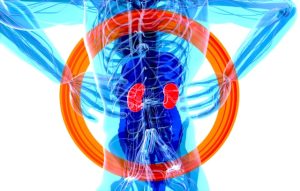 The kidneys are the body’s main filtration system for fluoride. Risk of fluoride buildup and toxicity can increase if the kidneys are not functioning optimally. The NRC reported that human kidneys can concentrate fluoride up to 50 times higher than plasma levels.
In 2006, the National Research Council (NRC) identified the kidneys as a primary target organ for fluoride exposure due to their central role in fluoride excretion. Because fluoride is filtered and concentrated by the renal system, kidney tissues may experience substantially higher fluoride burdens than most other soft tissues. See here for links to studies on kidney disease and fluoride: https://fluoridealert.org/studies/kidney01/
The NRC also concluded that fluoride ingestion around 12 mg/day may increase the risk of adverse renal effects in some individuals. 12 mg/day is about 2L of water at 6mg/L at about 6ppm fluoride. If someone drinks 3L of water per day at 4ppm fluoride (4ppm is an allowable upper regulatory limit according to the EPA), that will be about 12mg/day. People with higher water consumption, additional fluoride sources (ex: tea, food, dental products) and fluoride-susceptible individuals may reach 12mg/day at even lower water concentrations. Due to impaired kidney function, people with kidney disease are at risk of developing fluorosis at lower, recommended limits of 0.7-1.2mg/l.
Fluoride has been linked to osteomalacia, renal osteodystrophy and skeletal fluorosis in kidney-impaired patients. Read more details here: https://fluoridealert.org/articles/kidney/
Kidney Health, Children and Adolescents
- Research in adolescents and chronic, low level fluoride exposure found that fluoride may contribute to altered kidney parameters.
- Studies on young animals with low levels of fluoride have been linked to adverse kidney effects
- High fluoride levels have been shown to be connected to potential kidney function decline
The NRC recommended the need for more research, especially for low levels of fluoride and it’s relation to kidney enzyme functions. The report also recommended that future research evaluate whether kidney stone formation may be the most sensitive health endpoint for determining a safe drinking water standard for fluoride. More research is also needed on the relationship between fluoride and damage to the kidney itself. Research in animals shows kidney damage at levels as low as 1 ppm if the animals had chronic water consumption. Read more here: https://fluoridealert.org/studies/kidney08/ , https://fluoridealert.org/studies/kidney07/ & https://fluoridealert.org/studies/kidney06/ .
Sources and More Information
- org/researchers/nrc/findings/
- https://fluoridealert.org/articles/kidney/
- https://fluoridealert.org/studies/kidney01/
- https://fluoridealert.org/studies/kidney08/
- https://fluoridealert.org/studies/kidney06/
- https://fluoridealert.org/studies/kidney07/
- https://www.uhhospitals.org/blog/articles/2019/08/why-kidney-health-is-vital-to-your-overall-well-being
- Malina, A. J., Lesseur, C., Busgang, S. A., Curtin, P., Wright, R. O., & Sanders, A. P. (2021). Fluoride exposure and kidney and liver function among adolescents in the United States: NHANES, 2013– Environmental Research, 202, 111701. https://doi.org/10.1016/j.envres.2021.111701
Liver Health and Fluoride
 The NRC stated that lifelong ingestion of approximately 5-10 mg of fluoride per day, (such as from drinking water containing 4 mg/L) may result in long-term liver effects, warranting further epidemiological investigation.
- The NRC concluded that the impact of low-dose fluoride exposure on liver enzyme activity has not been sufficiently studied and should be carefully evaluated in populations exposed to different fluoride levels.
- More research is needed with regards to liver health and fluoride.
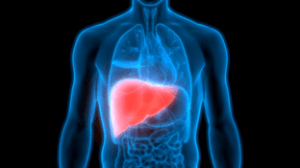 The NRC stated that lifelong ingestion of approximately 5-10 mg of fluoride per day, (such as from drinking water containing 4 mg/L) may result in long-term liver effects, warranting further epidemiological investigation.
Children, Adolescents and Liver Function
- Research in adolescents and chronic, low level fluoride exposure found that fluoride may contribute to altered liver parameters.
- High fluoride levels have been shown to be connected to potential liver function decline
- Low concentrations of fluoride have been linked to adverse liver effects in young animals.
Sources
- org/researchers/nrc/findings/
- https://fluoridealert.org/articles/kidney/
- https://fluoridealert.org/studies/kidney01/
- https://fluoridealert.org/articles/liver/
- Malina, A. J., Lesseur, C., Busgang, S. A., Curtin, P., Wright, R. O., & Sanders, A. P. (2021). Fluoride exposure and kidney and liver function among adolescents in the United States: NHANES, 2013– Environmental Research, 202, 111701. https://doi.org/10.1016/j.envres.2021.111701
- https://www.google.com/url?sa=t&source=web&rct=j&url=https%3A%2F%2Fwww.medstarhealth.org%2Fblog%2Fliver-health&ved=0CBYQjRxqFwoTCNDr-sObz5IDFQAAAAAdAAAAABAI&opi=89978449