Description

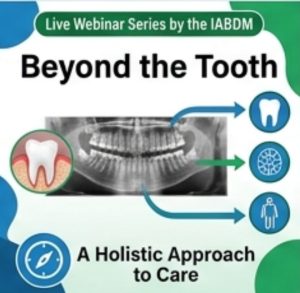
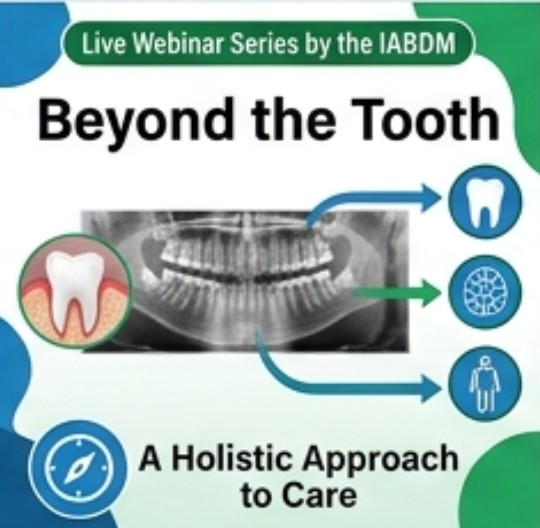
Course Title: Beyond the Tooth-Mapping Oral-Systemic Clinical Patterns: From Neurology to Tooth-Organ Relationships
Date Recorded:
Date Reviewed:
Date of Expiration:
Location: Online
Method:
#CE HOURS: 3
Speaker(s) & Bio: Fran Horning, RDH, BRDH
Frances Horning, BRDH has been practicing dental hygiene for over 37 years with a holistic mindset and has been at the forefront of biological and natural dental modalities since 1984, when the biological dentistry movement was first forming.
Her decades of dedication and study have earned her leadership roles within the International Academy of Biological Dentistry & Medicine, where she serves as Associate Director, Hygiene Department Chair, and Board Member. Fran lectures nationally and internationally, educating doctors and dental teams on the practical, clinical application of biological dentistry.
Course Description:
Dental professionals frequently observe patients whose oral findings do not exist in isolation, yet traditional dental education often focuses on treating localized pathology. This course examines how the teeth and oral structures function as part of broader neurologic, vascular, and inflammatory systems within the body.
Participants will explore how common dental findings—including chronic periodontal inflammation, occlusal imbalances, endodontic concerns, and unresolved oral irritation—may be associated with recurring or unexplained systemic patterns seen in clinical practice. The course introduces functional and observational mapping models, including tooth-organ relationship frameworks, as tools to help clinicians recognize patterns, ask better questions, and improve interdisciplinary communication.
This educational program is designed to expand clinical awareness of oral-systemic relationships while remaining within the dental scope of practice. No diagnostic or therapeutic claims beyond dentistry are proposed.
Course Objectives:
Upon completion of this course, participants will be able to:
- Describe the neurologic, embryologic, and inflammatory principles that support observed relationships between teeth and systemic function.
- Recognize common tooth-organ relationship patterns as presented in historical and contemporary observational mapping models.
- Explain how meridian-based and functional mapping frameworks have been used to organize tooth-organ relationships without implying diagnostic causation.
- Identify dental findings—including periodontal inflammation, occlusal imbalance, and endodontic stressors—that may be associated with recurring systemic patterns observed in patients.
- Apply tooth-organ relationship concepts to enhance clinical awareness, patient conversations, and interdisciplinary communication within the dental scope of practice.
Copy of Publicity: